
How to Choose Professional Kiddie Rides for Your Business
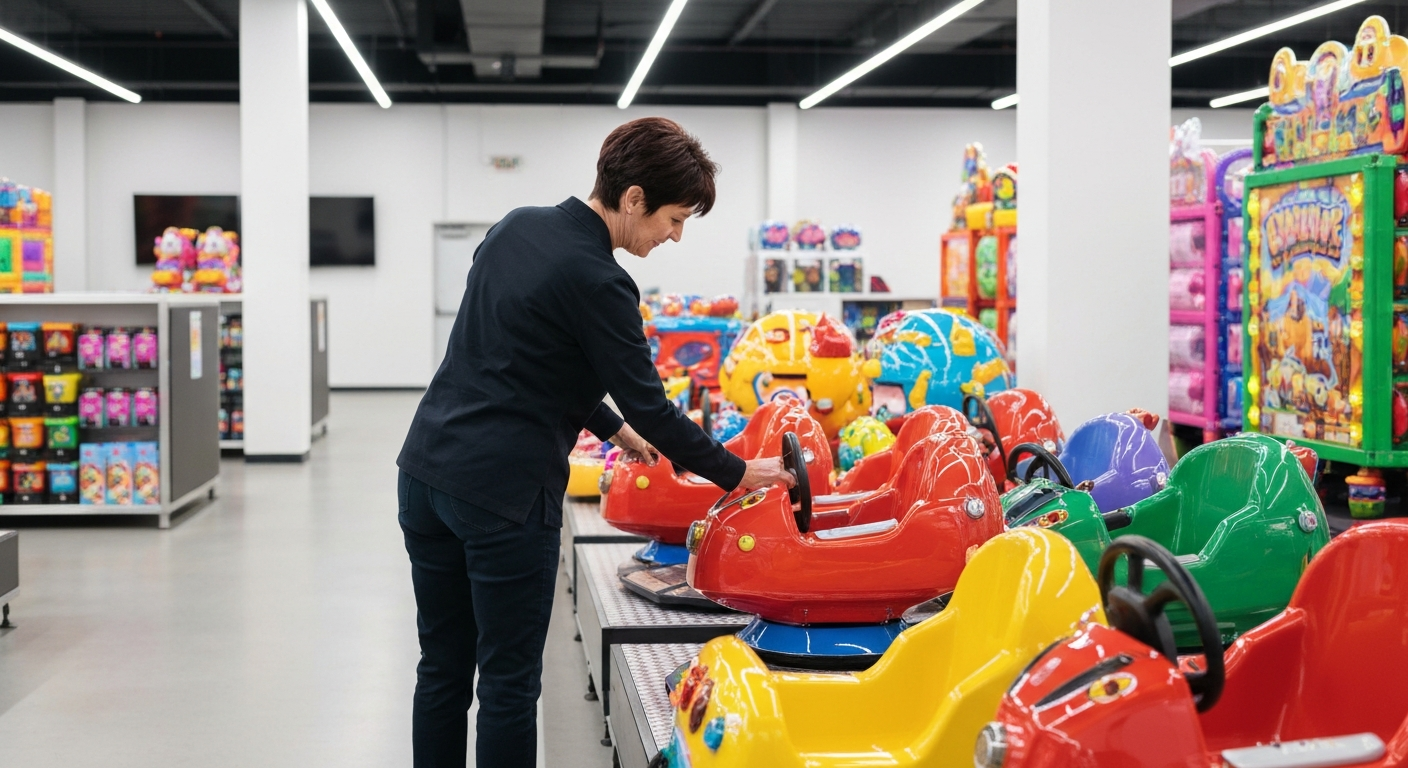
Understanding Safety Standards and Compliance Requirements
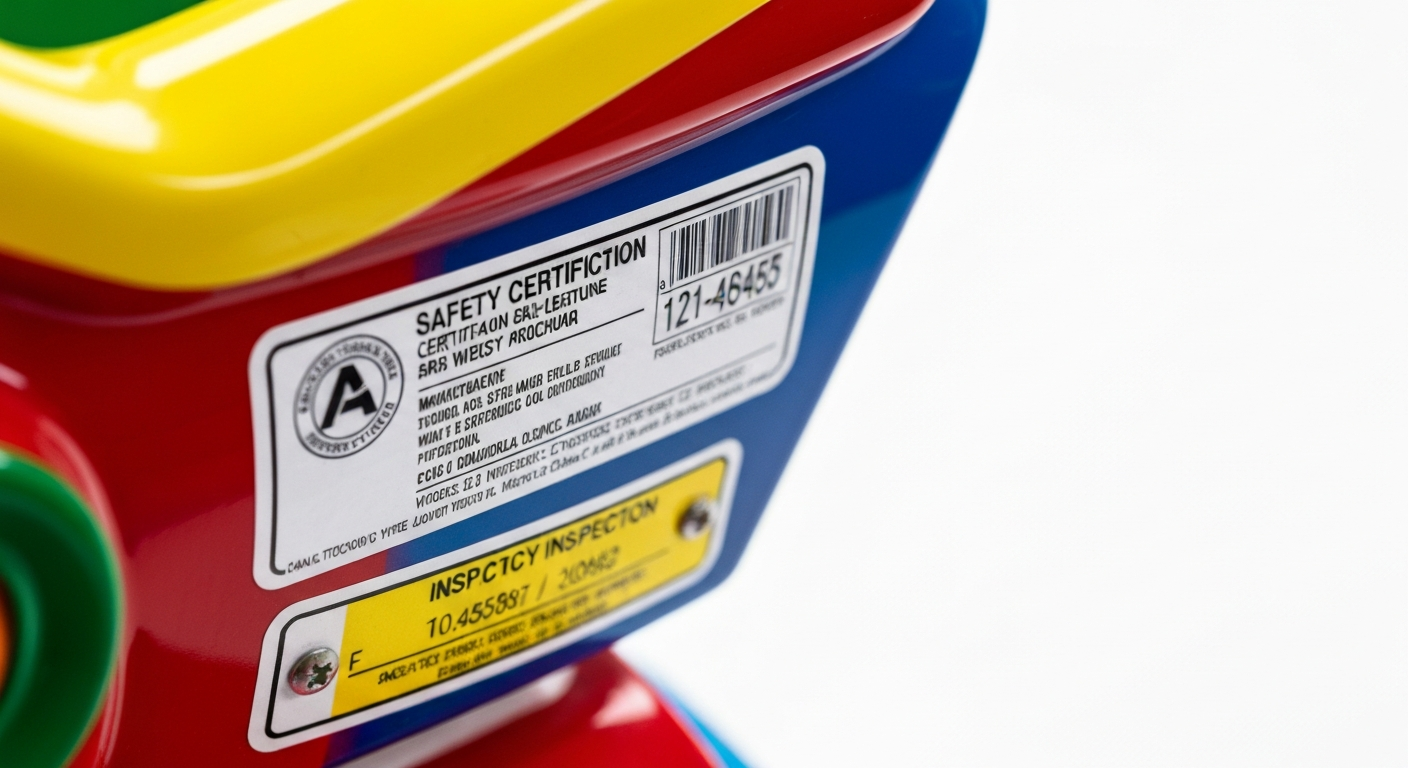
When you're looking to invest in commercial kiddie rides, safety isn't just a checkbox—it's your business foundation. The reality is that one safety incident can destroy years of reputation building and potentially close your doors permanently.
Let's be honest: navigating safety standards feels overwhelming at first. Different regions have different requirements, and the paperwork can be intimidating. But here's what matters most: every reputable ride must carry proper certifications from recognized testing laboratories.
Essential Safety Certifications to Look For
Your rides need ASTM International certifications if you're operating in North America, or EN standards compliance for European markets. These aren't optional—they're the minimum entry point for legitimate commercial operations.
Worth noting that some suppliers try to cut corners with generic "safety tested" claims. Don't fall for this. You need specific certification numbers, testing dates, and clear documentation from accredited laboratories. When in doubt, contact the certifying body directly to verify the credentials.
The documentation should include load testing results, electrical safety verification, and material compliance reports. Keep these records meticulously—insurance companies and inspectors will ask for them.
Insurance and Liability Considerations
Your insurance provider will have specific requirements for ride certifications, and they're not negotiable. Most commercial policies require annual safety inspections and immediate reporting of any incidents, no matter how minor.
From experience, it's worth having a conversation with your insurance agent before making any purchase decisions. Some ride types carry higher premiums, and certain manufacturers have better track records with claims. This information can significantly impact your total cost of ownership.
Evaluating Space Requirements and Target Demographics
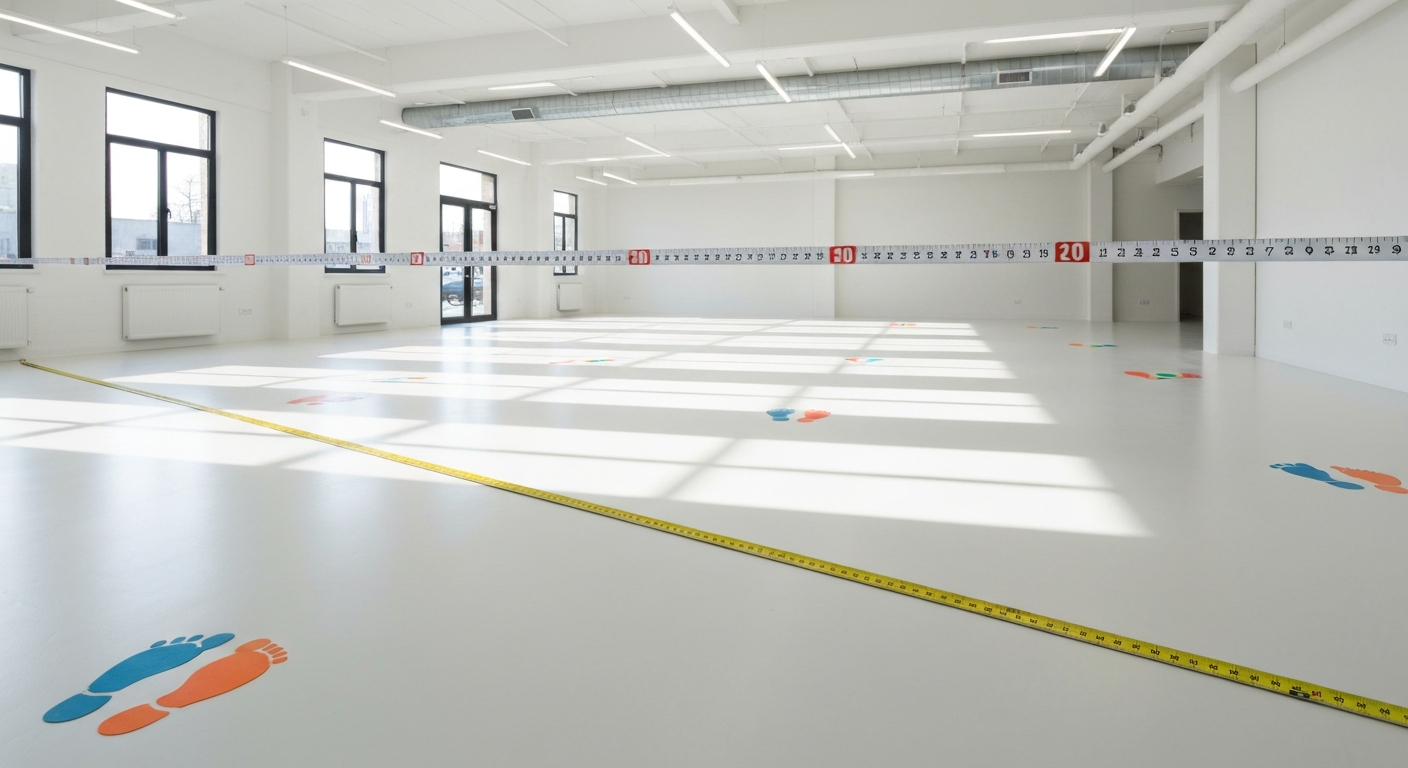
The most common mistake we see is business owners falling in love with a specific ride without considering whether it actually fits their space or customer base. A magnificent carousel means nothing if it overwhelms your floor plan or targets the wrong age group.
Measuring Your Available Space Effectively
Start with your usable floor space, not just total square footage. Account for customer circulation, emergency exits, and maintenance access—rides need breathing room to operate safely and profitably.
Here's a practical rule: plan for at least 3 feet of clearance around any ride, plus queue space that can handle peak capacity without creating bottlenecks. A ride that generates lines blocking other attractions quickly becomes a liability rather than an asset.
| Ride Category | Minimum Space Required | Typical Age Range | Average Session Time |
|---|---|---|---|
| Coin-operated kiddie rides | 6' x 8' including clearance | 2-6 years | 2-3 minutes |
| Mini carousels | 12' x 12' minimum | 3-8 years | 3-4 minutes |
| Track rides | 15' x 20' typical | 4-10 years | 4-5 minutes |
Matching Rides to Your Customer Base
The thing is, demographic matching goes deeper than just age ranges. A shopping center in a family neighborhood has different needs than an arcade in a tourist district. Families with toddlers want gentle, parent-supervised experiences, while older kids in entertainment centers seek more excitement.
Consider your peak hours too. If most of your traffic comes during after-school hours, rides targeting school-age children make sense. But if you're busy during weekend family shopping trips, toddler-friendly options might generate better returns.
Comparing Purchase vs Rental Options
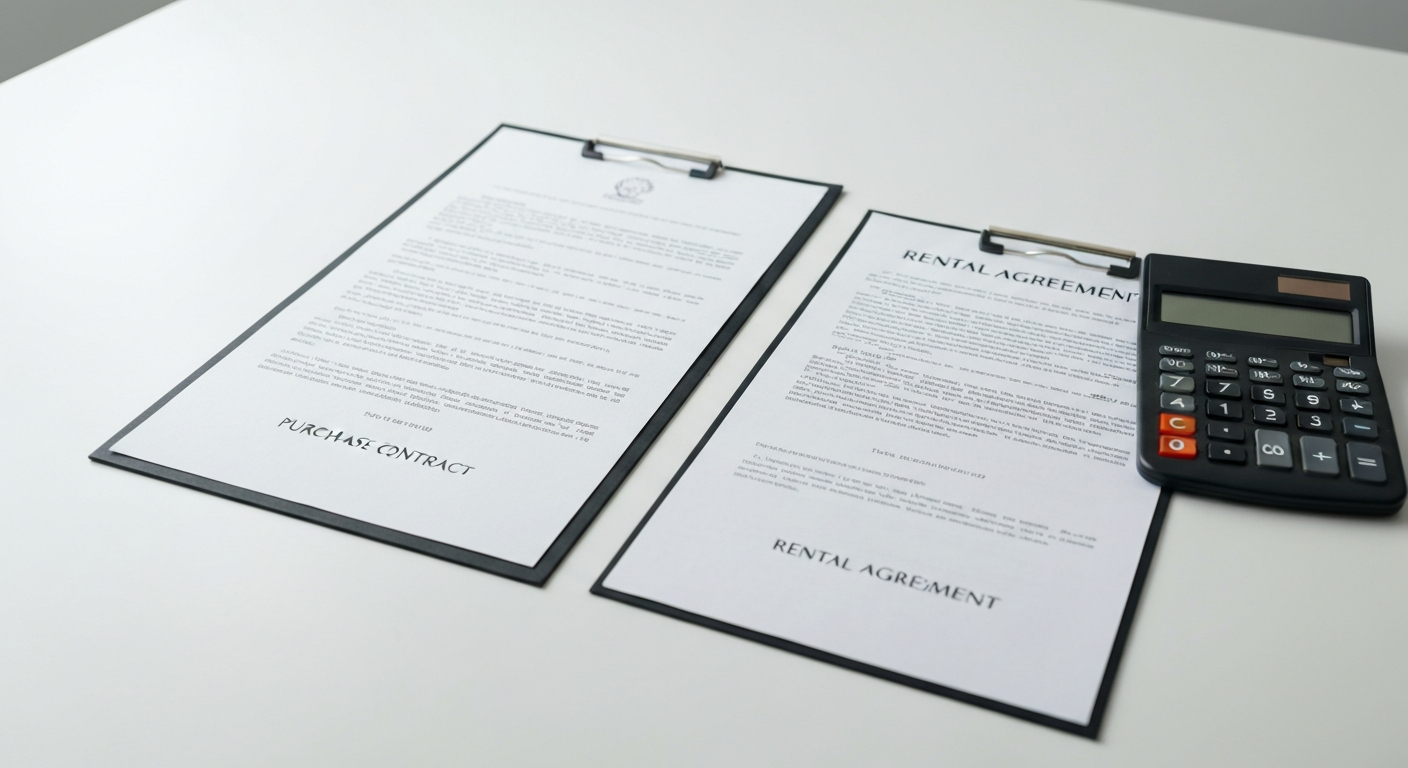
This decision often comes down to your business model and growth plans. Purchasing gives you complete control and long-term cost advantages, but rental offers flexibility that's particularly valuable for seasonal operations or testing new concepts.
When Purchasing Makes Financial Sense
If you're planning to operate the same ride for more than two years in a stable location, purchasing typically wins the financial comparison. The breakeven point usually occurs around 18-24 months, depending on utilization rates and maintenance costs.
Ownership also means you control the maintenance schedule and can customize the ride appearance to match your brand. Some operators find that owning their equipment builds stronger customer relationships—regulars develop attachments to "their" favorite rides.
Benefits of Professional Rental Programs
Rental programs shine for businesses testing new markets or dealing with seasonal fluctuations. You're essentially paying for flexibility and reduced risk, which can be worth the premium if your situation is uncertain.
The maintenance advantage shouldn't be overlooked either. Professional rental companies handle all repairs, replacements, and compliance issues. For many small business owners, this peace of mind justifies the higher per-month costs.
Selecting Reliable Suppliers and Equipment
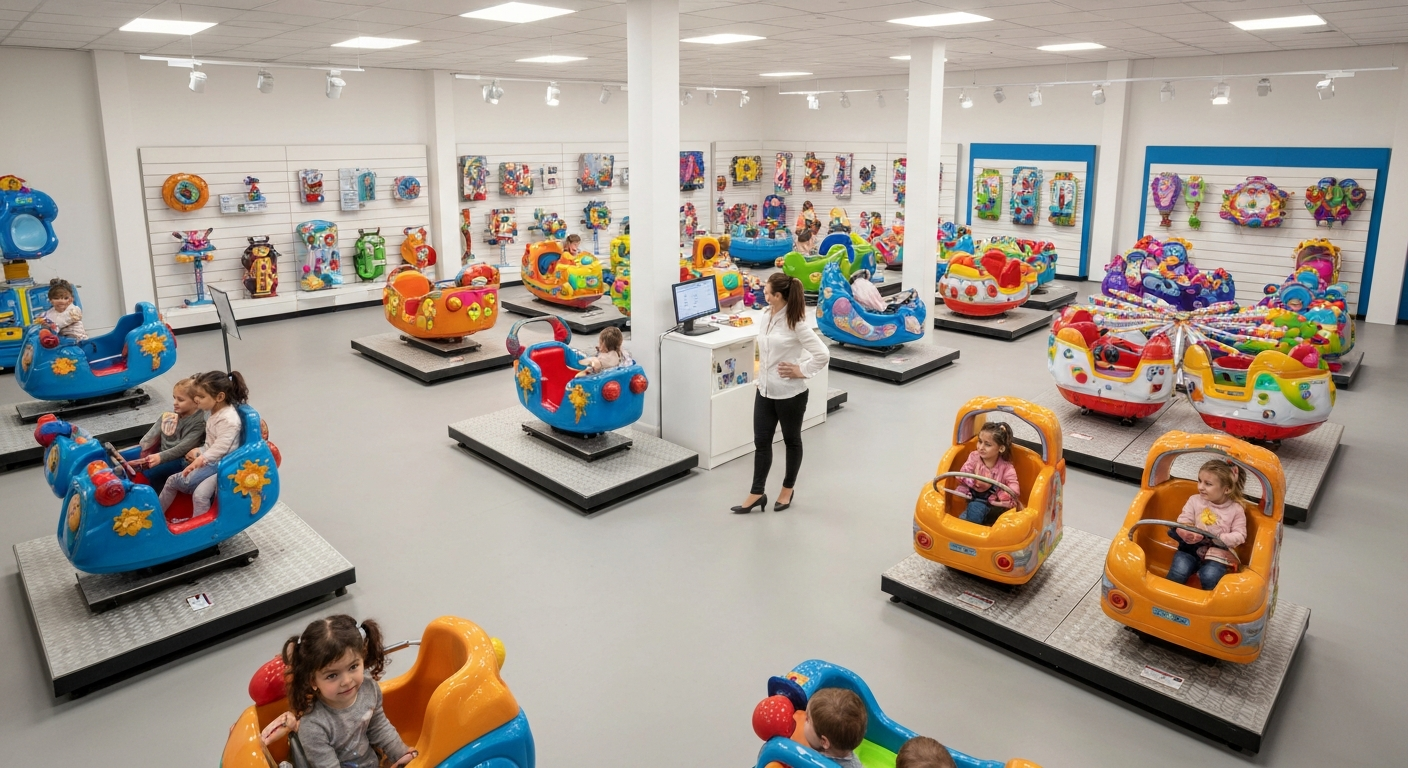
Here's where many business owners make expensive mistakes: choosing suppliers based primarily on price rather than long-term reliability. A cheap ride that breaks down frequently will cost you more in lost revenue and customer frustration than a quality unit with a higher upfront cost.
Vetting Professional Ride Suppliers
Start by asking for customer references from businesses similar to yours. Don't just accept a list—actually call these references and ask specific questions about equipment reliability, customer service responsiveness, and any unexpected issues.
Pay attention to how long the supplier has been in business and whether they specialize in commercial amusement equipment. Companies that also sell home playground equipment or general arcade games often lack the expertise needed for commercial ride support.
The best suppliers offer comprehensive packages including installation, staff training, and ongoing technical support. They should provide detailed maintenance schedules and have readily available replacement parts.
Key Features That Ensure Longevity
Look for heavy-duty construction designed for commercial use, not residential-grade equipment marketed to businesses. Commercial rides use thicker gauge steel, more robust motors, and higher-quality electrical components that can handle constant daily operation.
- Sealed bearing systems that resist dirt and moisture
- Powder-coated finishes that maintain appearance under heavy use
- Modular electrical systems that simplify troubleshooting and repairs
- Accessible maintenance points that don't require major disassembly
The coin mechanism deserves special attention since it's both a revenue generator and a common failure point. Look for units with proven track records and readily available service parts.
Calculating Return on Investment and Operating Costs
The numbers don't lie, but they're easy to misinterpret if you don't account for all the variables. A proper ROI calculation for kiddie rides goes beyond simple revenue-per-ride arithmetic.
Essential Cost Factors to Consider
Your total investment includes the purchase price, installation costs, initial training, and often some site preparation. But the ongoing expenses are where many business plans fall short of reality.
Monthly operating costs typically include:
- Routine maintenance and cleaning supplies
- Electrical consumption and any climate control requirements
- Insurance premiums specific to amusement equipment
- Periodic safety inspections and certification renewals
- Replacement parts and occasional major repairs
From experience, budget at least 15-20% of gross revenue for these ongoing expenses. High-traffic locations may need to budget closer to 25% due to accelerated wear.
Maximizing Revenue Potential
The most successful operators understand that kiddie rides generate both direct revenue and indirect benefits. Yes, you earn money from each ride, but you also increase customer dwell time and create positive experiences that drive repeat visits.
Strategic placement matters enormously. Rides positioned near high-traffic areas naturally generate more revenue, but they also serve as attraction magnets that can improve performance of nearby concessions or retail areas.
Seasonal adjustments are crucial too. Holiday theming, special promotions, and adjusted pricing during peak periods can significantly boost annual returns. The most profitable operators treat their rides as dynamic revenue generators rather than static equipment.
Remember that success in this business comes down to creating positive experiences that keep families coming back. Choose equipment that delights your customers while meeting your financial objectives, and you'll build a sustainable competitive advantage that goes far beyond the initial investment decision.